Visit the Art Nouveau Site of Sant Pau
in Barcelona
- UNESCO World Heritage Site since 1997
- Unique architecture by Lluís Domènech i Montaner
- View current availability
- Ticket delivered immediately after validation
- Mobile ticket accepted
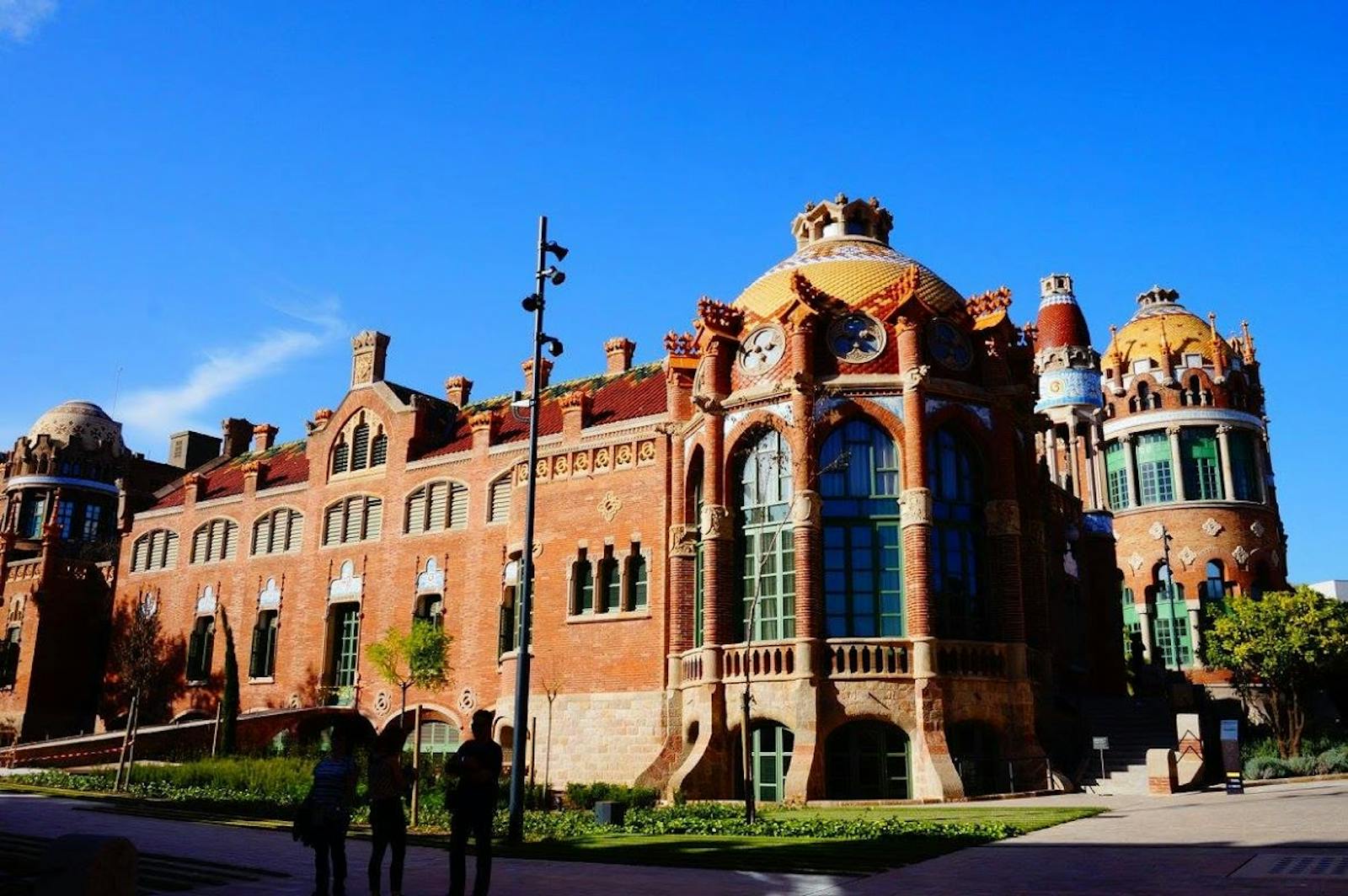
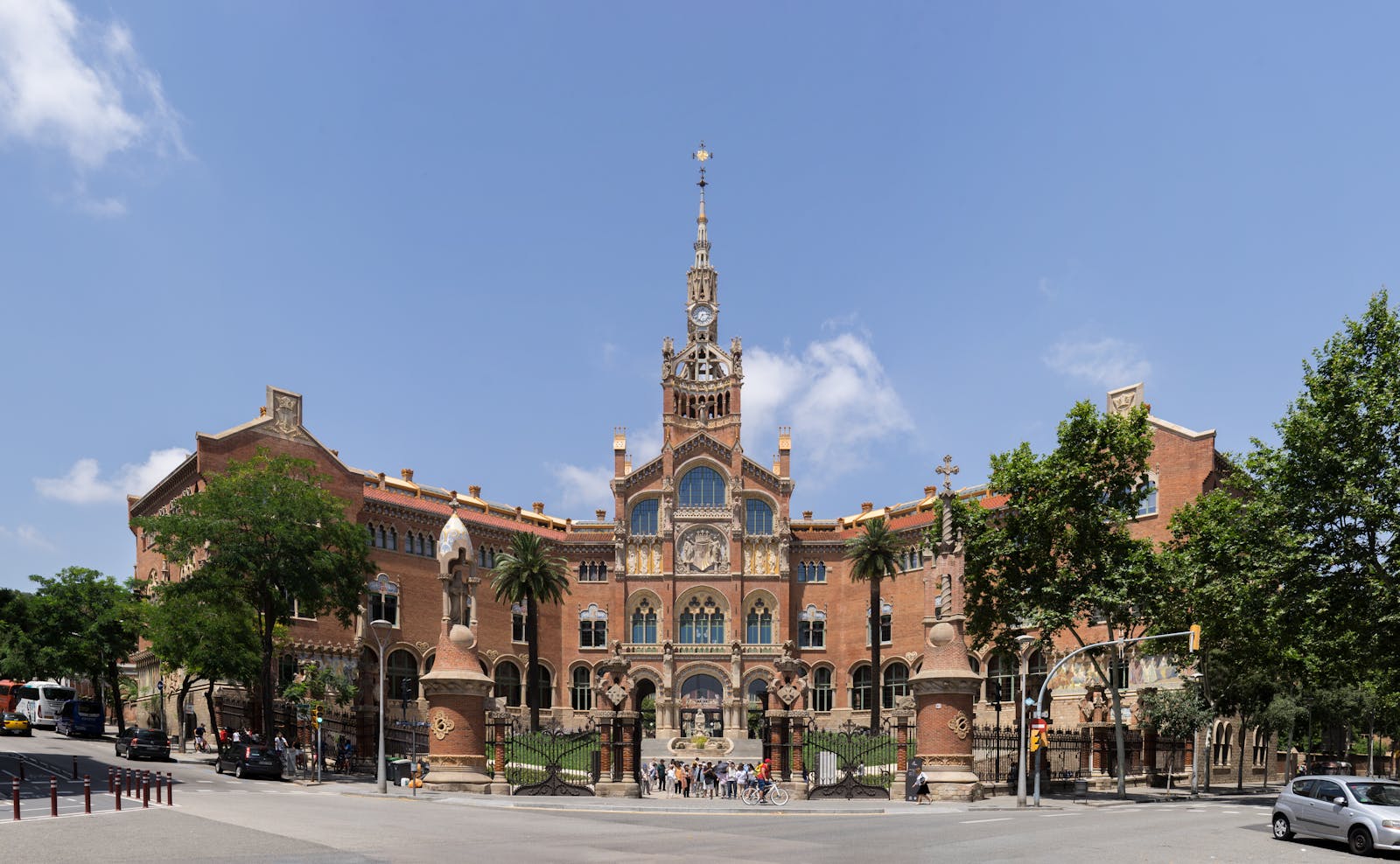
Discover the largest Modernist complex in the world, a secret garden where art heals as much as medicine. This jewel by Lluís Domènech i Montaner offers a calm and poetic alternative to the Sagrada Família.
Ticket options
Prices and conditions

Sant Pau Art Nouveau Site: Skip The Line Ticket
From 17 €.
Explore a masterpiece of modernisme architecture.
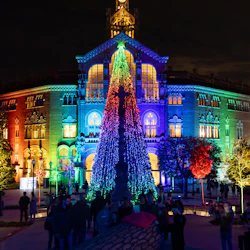
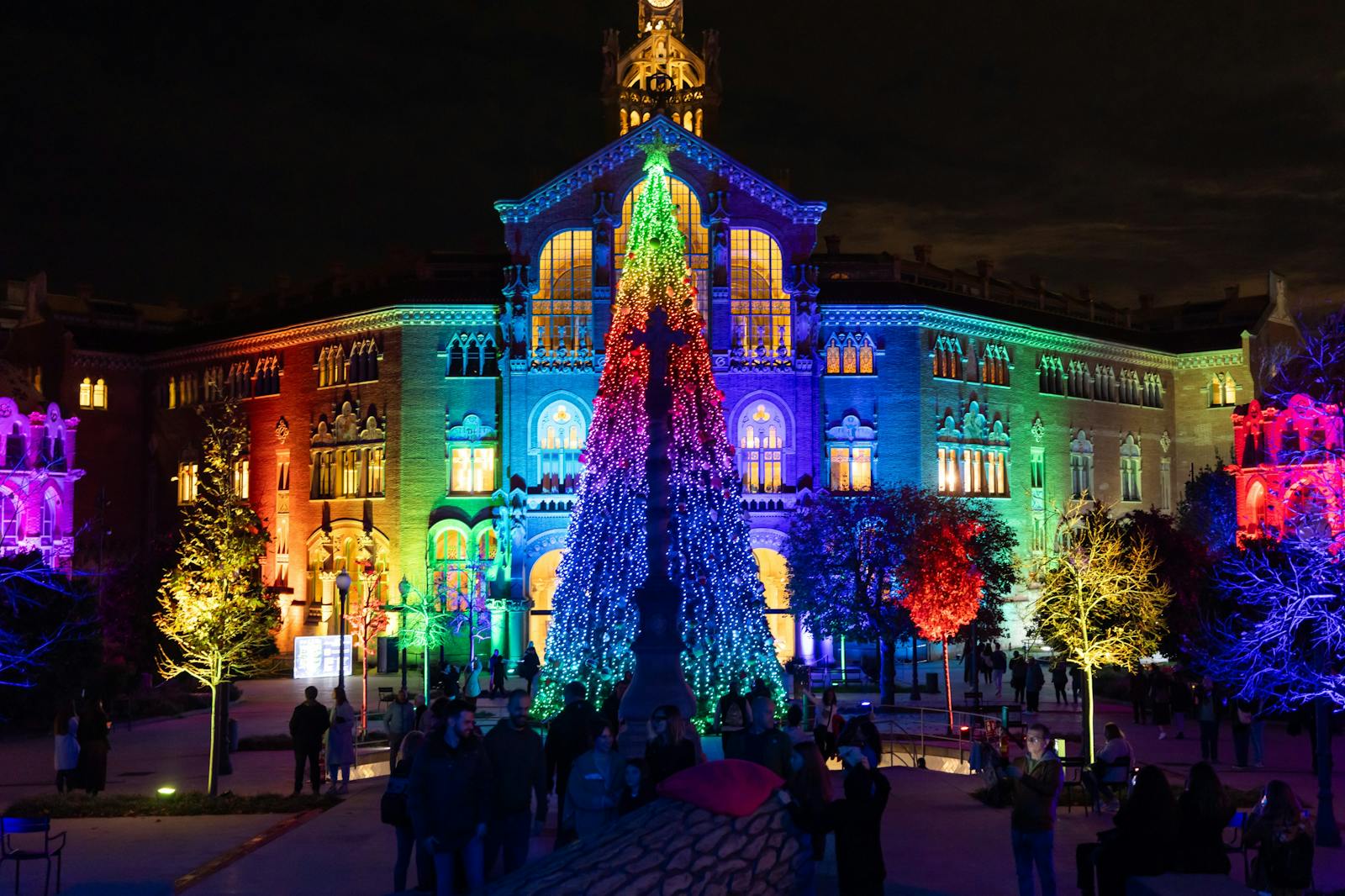
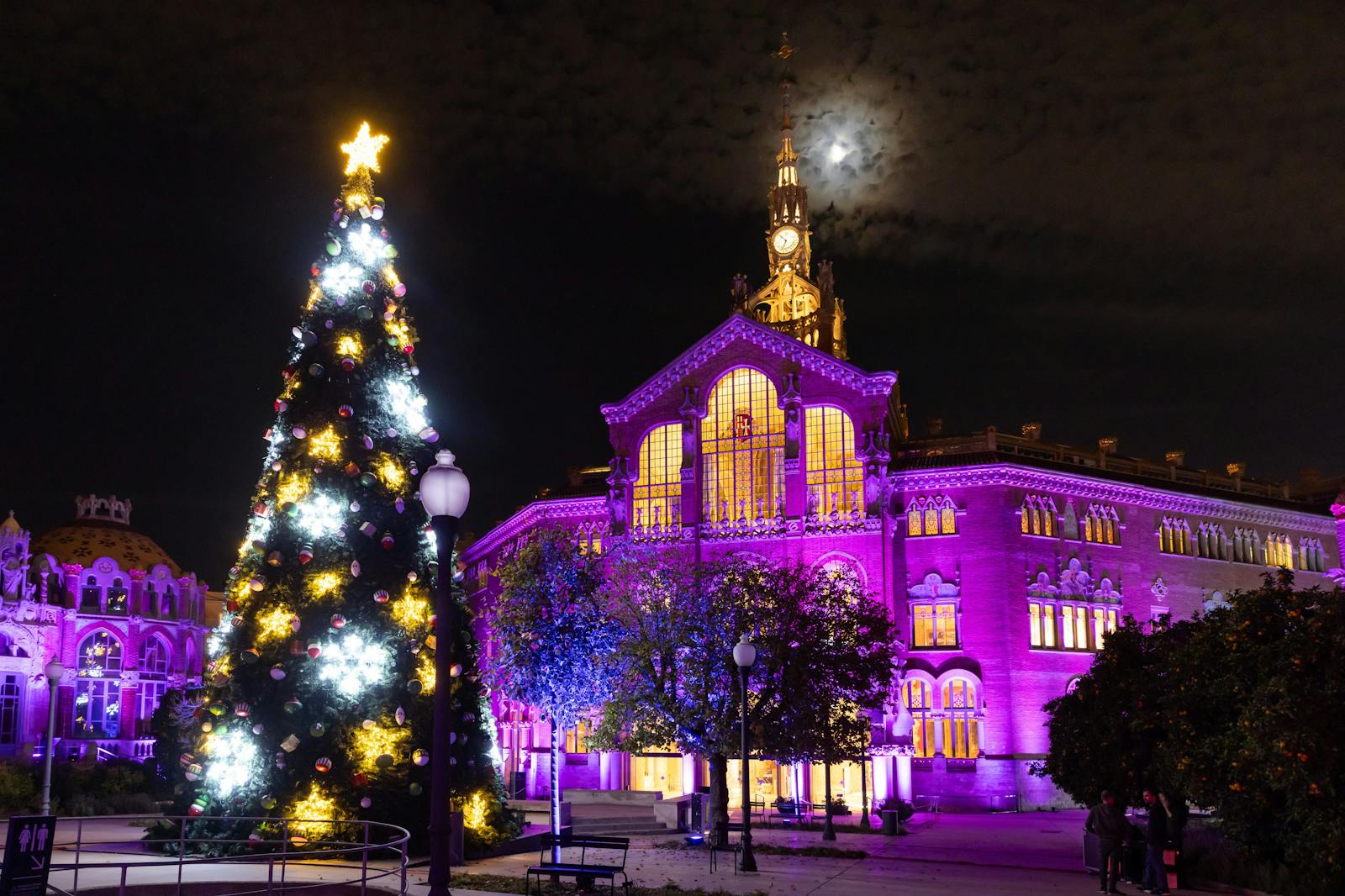
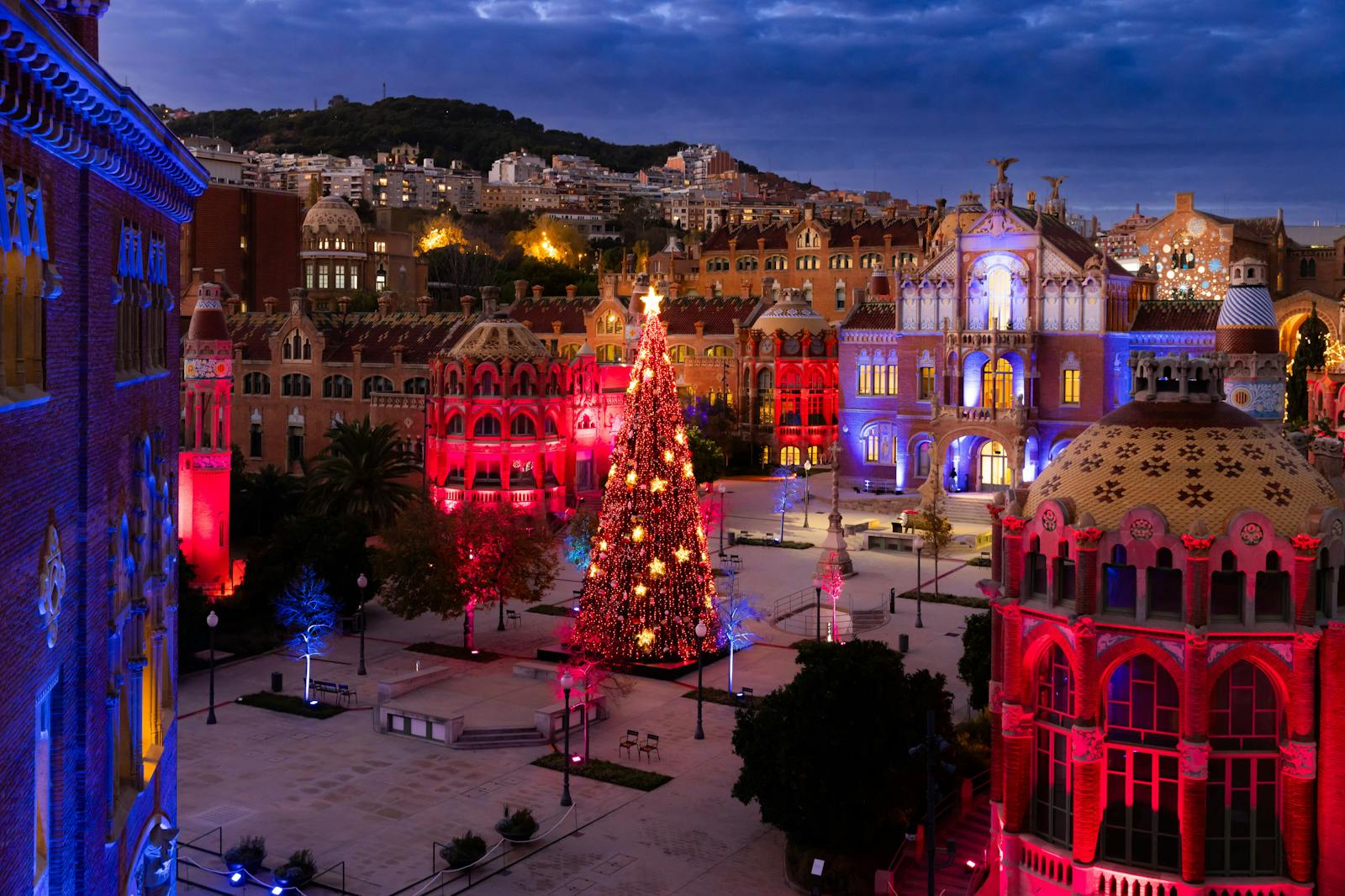
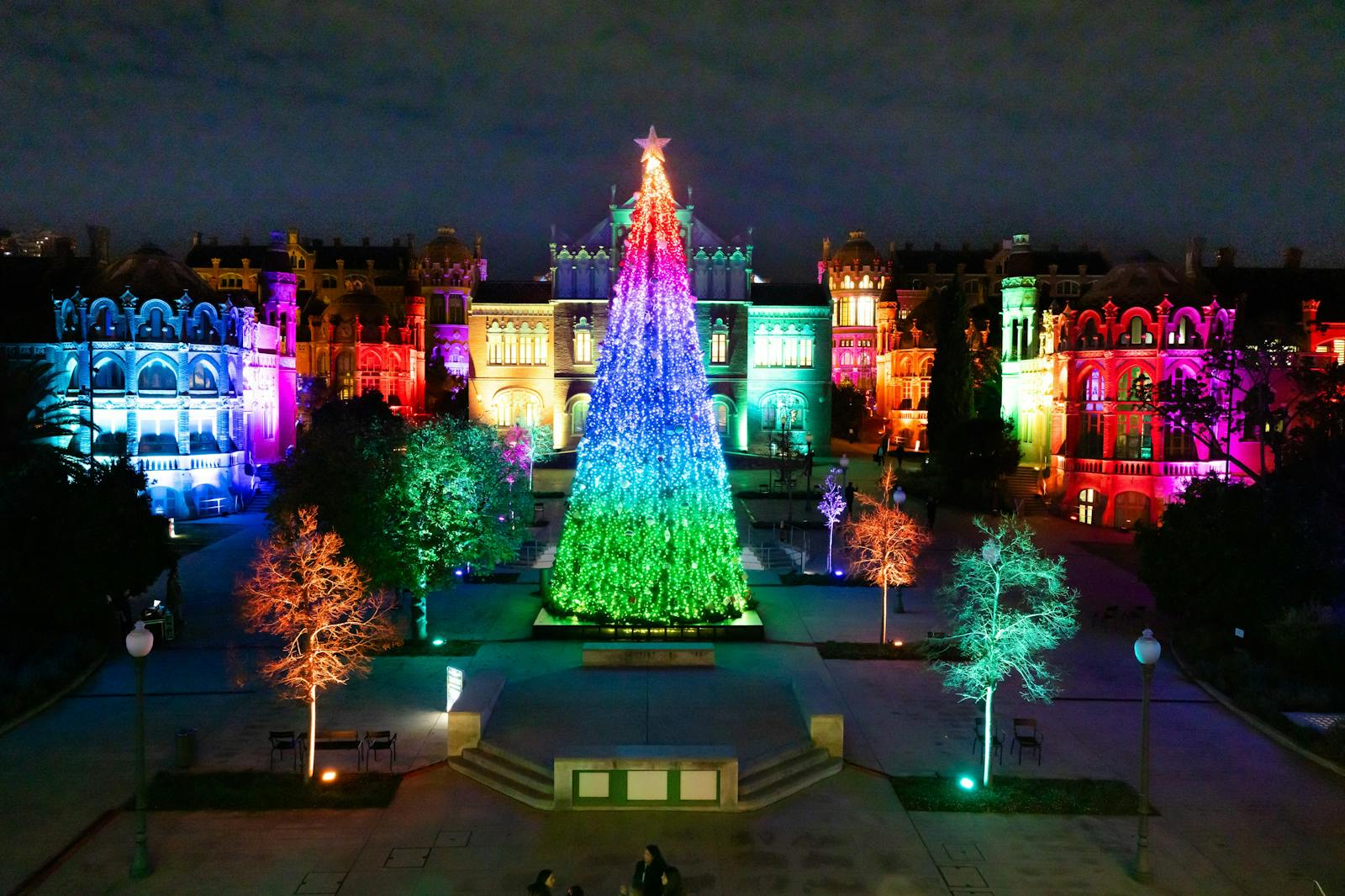
Els Llums de Sant Pau: Christmas Garden
From 12 €.
Christmas and architecture blend in a stunning Barcelona light show.
What visitors say
Thousands of visitors have already booked their visit: reviews and testimonials
★ 4.6/5 · 12 reviews collected directly from visitors and moderated by Visit Tickets
"We arrived around 9 am to enjoy the soft morning light on the pavilions. The Recinte Modernista is a delight, very different from the Sagrada. The underground tunnels are surprising and worth the detour."
"As a solo visitor, I loved the tranquility. The audioguide helped me understand the symbolism of the mosaics and the history of Pau Gil. Comfortable shoes are essential to cover the entire domain without fatigue."
"The architecture of Domènech i Montaner is stunning. The only regret is that some pavilions are closed to visitors. The 17€ ticket remains reasonable for this level of heritage. The free visit offers true freedom of exploration."
"An undiscovered gem! We visited the exhibition on the Sagrada and compared the archives of Gaudí and Domènech. The shaded gardens are perfect for a break. An ideal alternative to overcrowded sites."
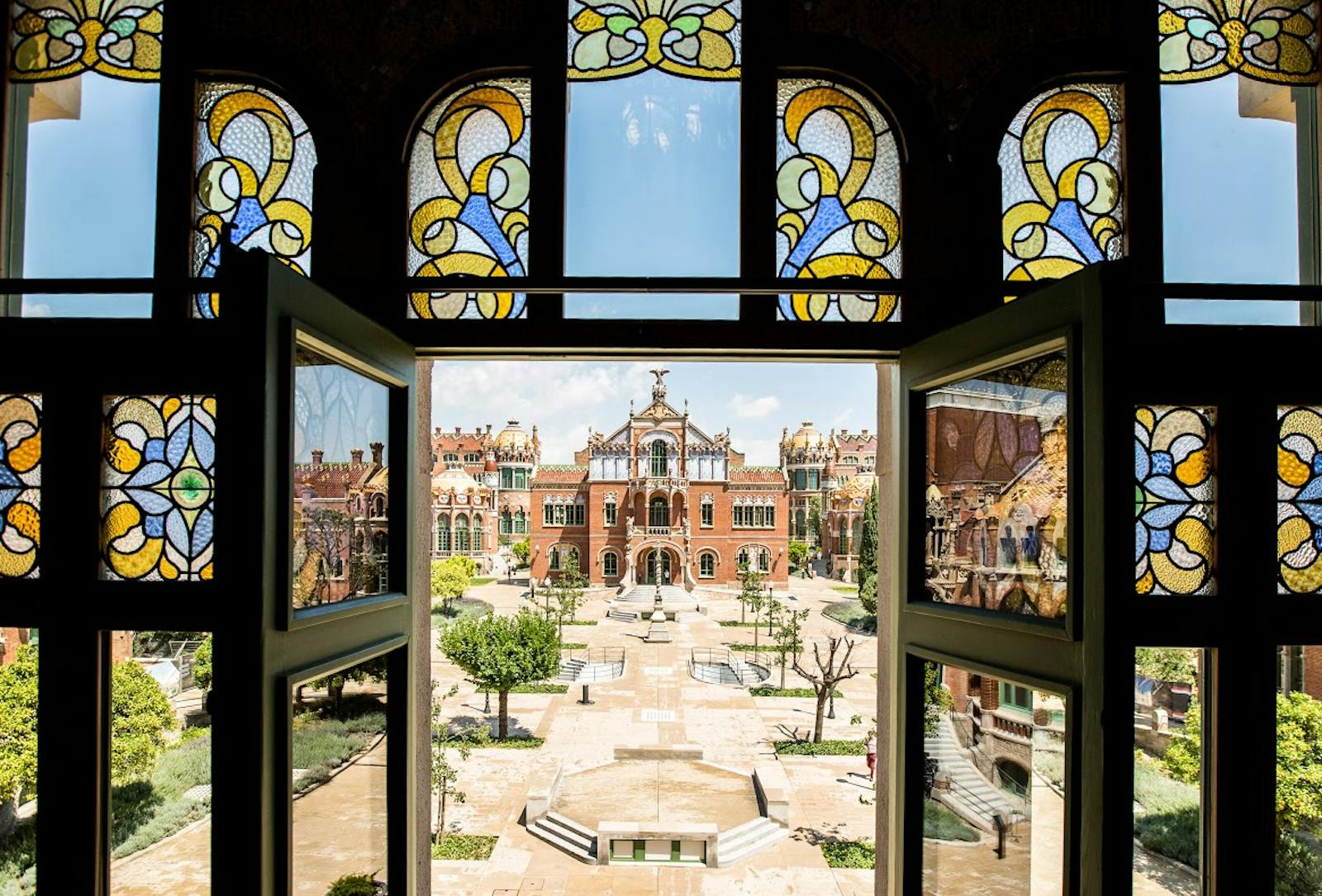
"As a family, the children loved the colored glass windows and the sculptures. The site is accessible and the signage is clear. We took our time to observe the ceramic details which hide so many secrets."
"Magnificent site, especially in the morning as advised. In the afternoon, the light is harsher and there are more people. The path through the gardens is pleasant but long. Plan for water and flexible shoes."
"We chose the guided tour which explains the medical history of the place. The guide is fascinating. The 19 pavilions are scattered, but that is what makes the place so unique. A total immersion into modernism."
"As a couple, we loved strolling through this secret garden. The prophylactic mosaics are a fascinating historical find. The atmosphere is poetic and far from mass tourism, perfect for photos."
"The combined ticket with other attractions proved very convenient. The Sant Pau site is a UNESCO masterpiece. The tunnels connect the pavilions in an ingenious way. A thematic day with Gaudí is perfect."
"Very beautiful, but one sometimes feels lost without a map. The audioguide helps a lot to follow the works of Domènech i Montaner. The gardens are immense. The price is fair for the richness of the place."
"We came as seniors, access is fine. Comfortable shoes were our best ally. The testament of Pau Gil led to a sumptuous site. We contemplated the façades with delight."
"As friends, we were lucky with the weather. The gardens with lavender were superb. The site is not too crowded, which allowed us to immerse ourselves. The plant motifs of the mosaics are an artistic feat."
Practical info
Everything you need to plan your visit
Address
08025 Barcelona, Spain
Catalunya
El Guinardó District · Metro: Sant Pau - Joan XXIII (L5, direct exit) or Vilapicina (L5, 10 min walk).
Opening Hours
Hours vary by season and school holidays. Check the official website before coming.
Prices
Els Llums de Sant Pau: Christmas Garden : From 12 €
Free child admission based on age (check variants). .
Visit Duration
Photos
Audience
Accessibility
PMR
Partially accessible; check specific areas before visiting.
Family
Under 16s must be accompanied; strong educational value.
Audio guide
French, English, Spanish
Weather in Barcelona
Current conditions and forecast to plan your visit
Discover Sant Pau Art Nouveau Site
The History of Catalan Modernism
From Parisian philanthropy to World Heritage.
1896
Founding testament of Pau Gil
1902-1913
Construction by Lluís Domènech
1997
UNESCO inscription
2003-2009
Hospital relocation
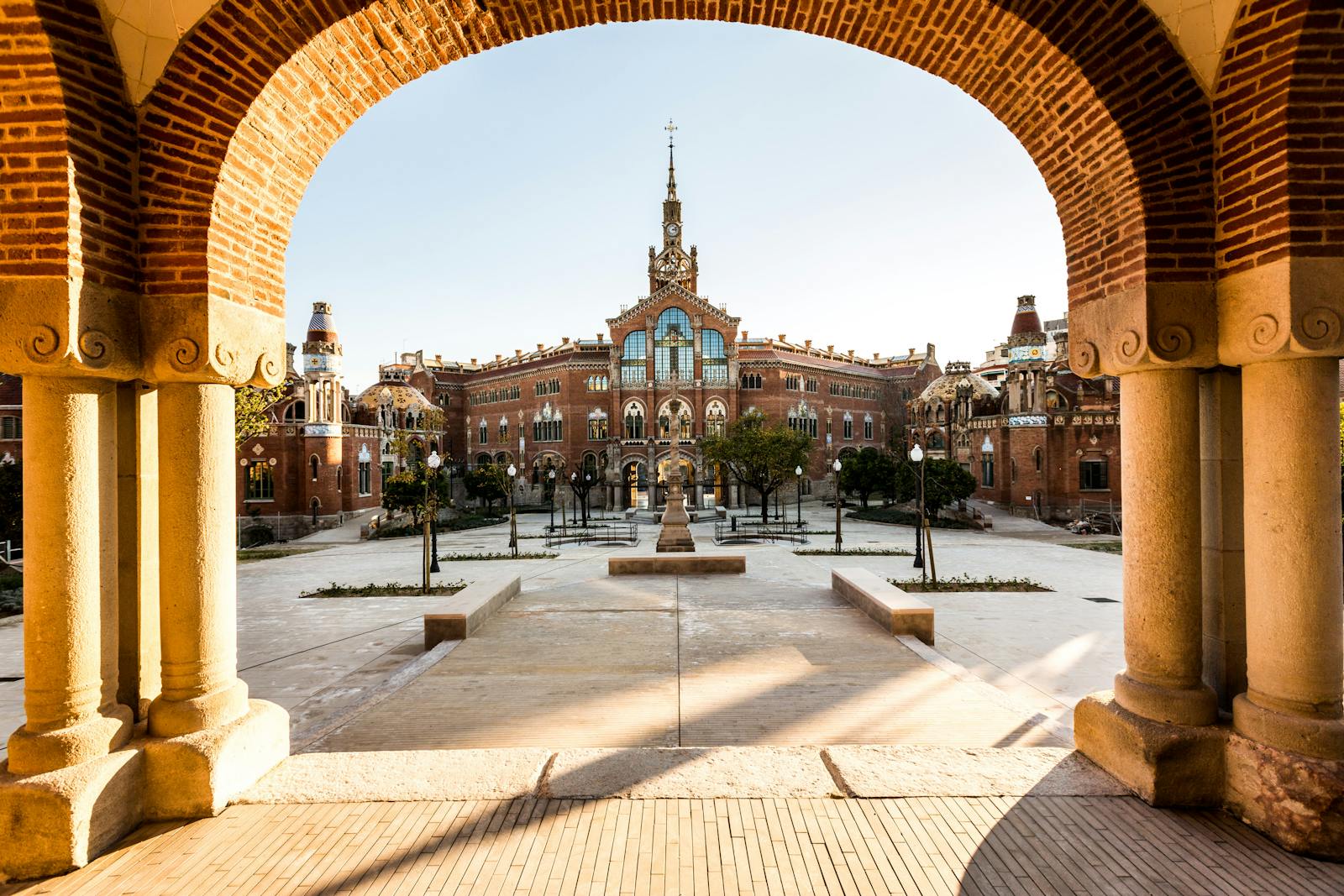
The Sant Pau Art Nouveau Site ticket opens the doors to the largest Modernist architectural complex in the world. Designed by Lluís Domènech i Montaner, this place transforms the hospital into a secret garden where art meets medicine. Discover why this Hospital de Sant Pau Barcelona visit is a calm Sagrada Familia alternative and essential for understanding Catalan Modernism.
History and Genesis of the Project
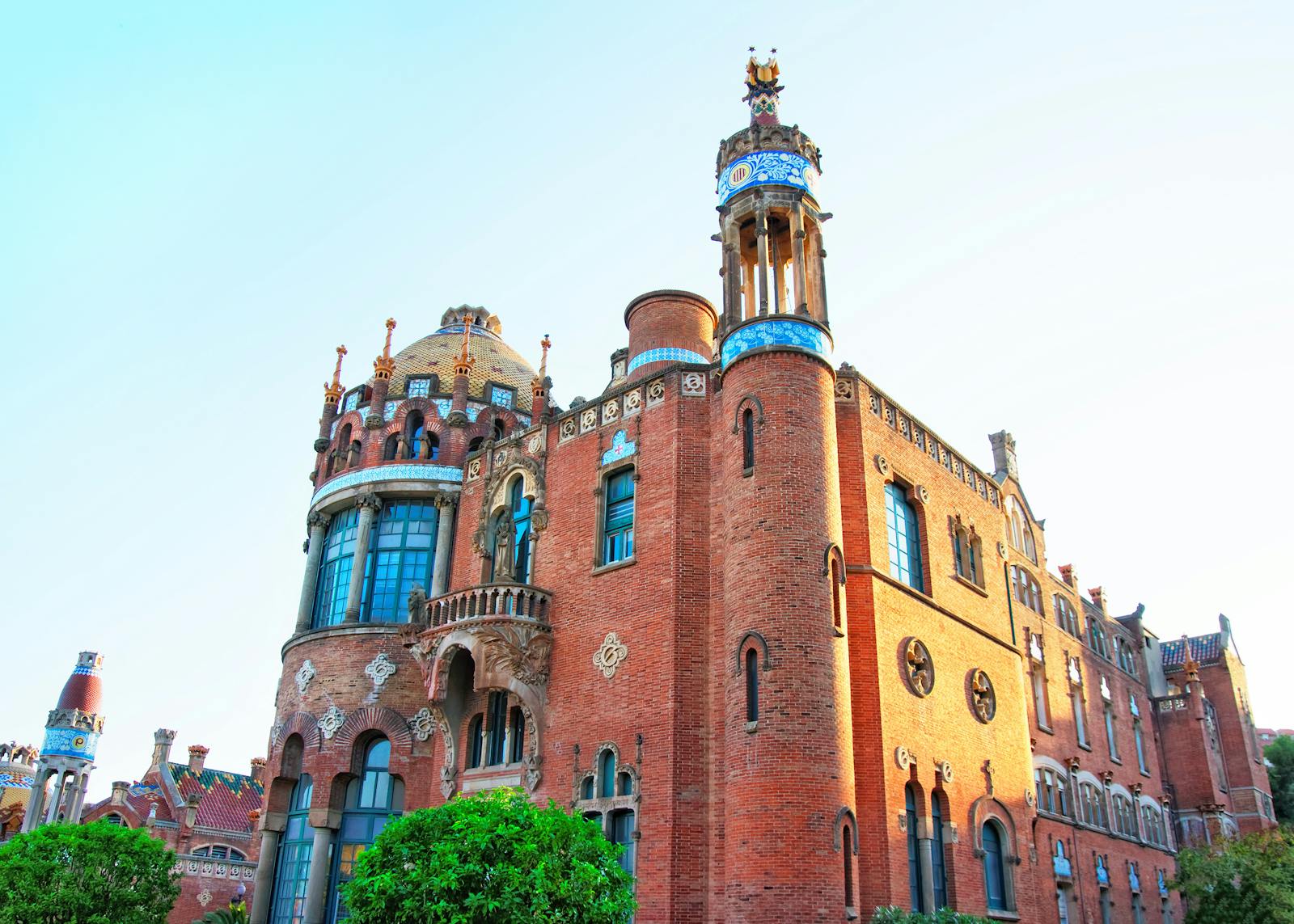
It all begins with the testament of Pau Gil i Serra, a Barcelona banker who died in Paris in 1896. He bequeathed half his fortune to the construction of a new hospital dedicated to assisting the poor. This philanthropic legacy allowed Lluís Domènech i Montaner to realize his architectural dream between 1902 and 1913, creating thirteen revolutionary Modernist buildings that redefined hospital urban planning of the era.
Construction spanned several decades, involving two generations of talented architects. After the first phase led by Lluís, his son Pere Domènech i Roura took over the works from 1920. He added six more buildings in a more moderate style, thus completing the monumental ensemble. This family collaboration ensures stylistic coherence while adapting the architecture to the evolving medical needs of the early 20th century.
Between 2003 and 2009, the hospital moved to new modern premises to make way for the exclusive cultural tour. This crucial transition allowed the Modernist Enclosure to be preserved as a living museum. Today, the site is distinct from the currently active hospital, offering tourists a secure heritage space dedicated to artistic contemplation without medical interference.
What to see at the Sant Pau Art Nouveau Site
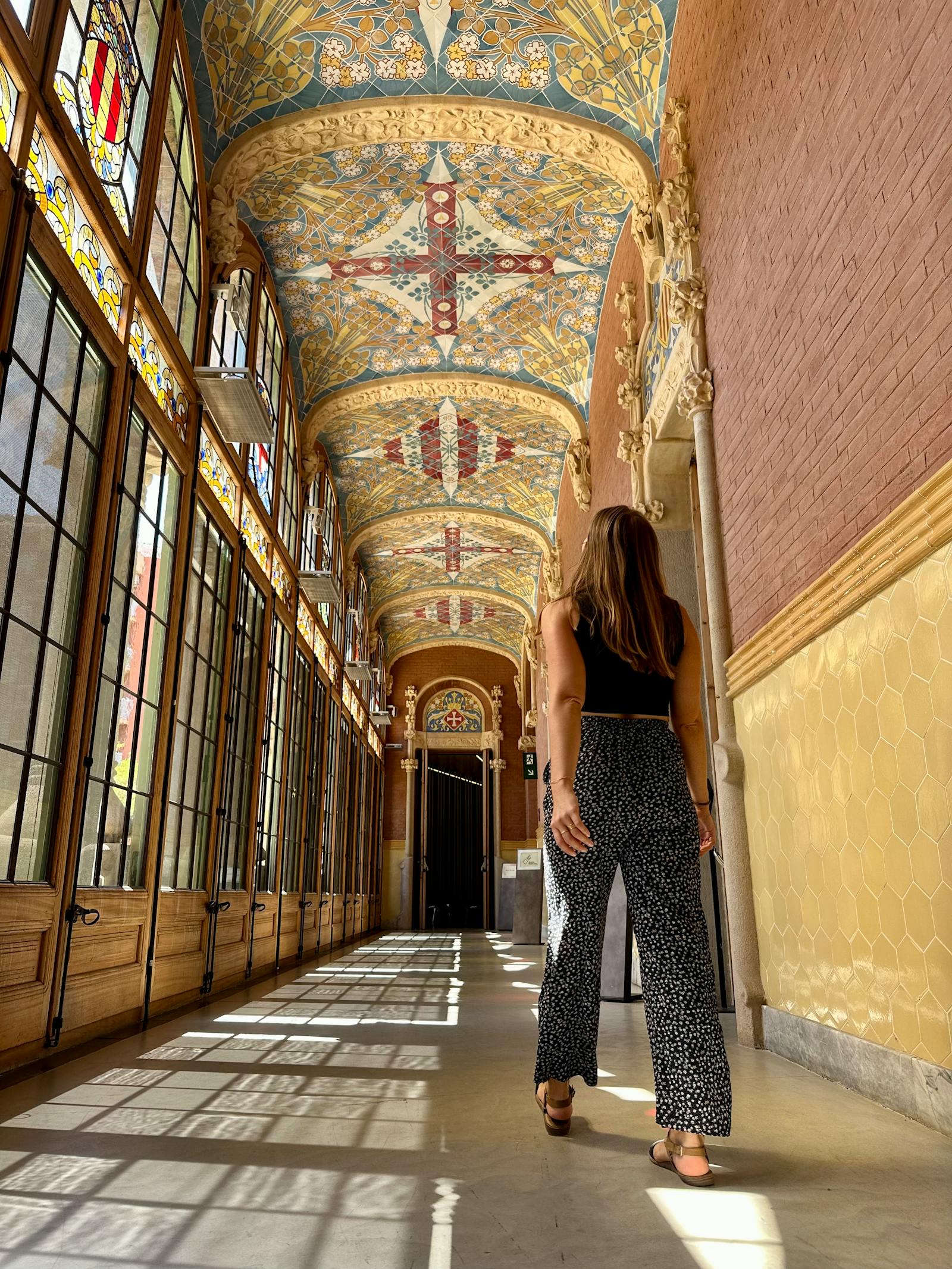
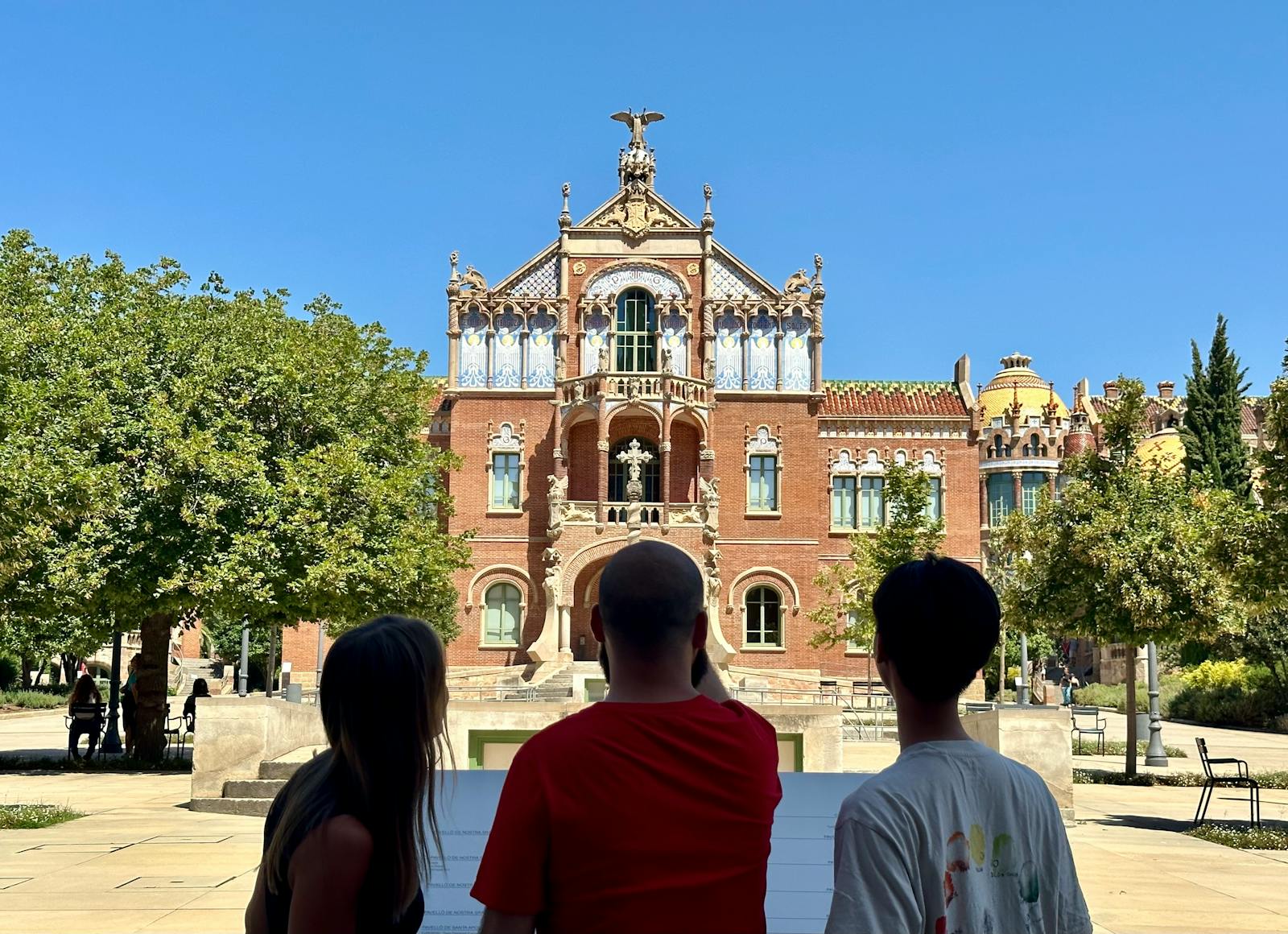
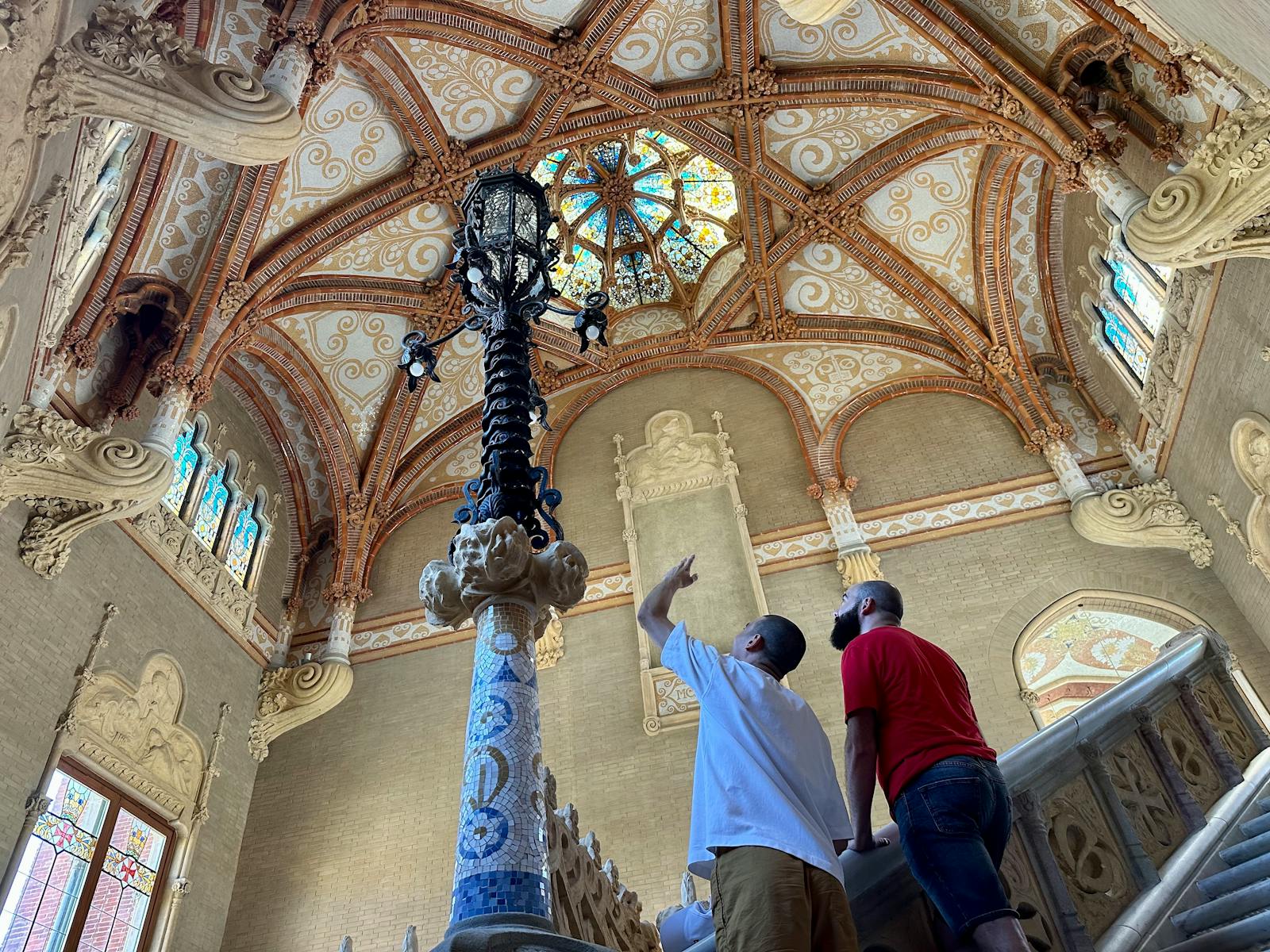
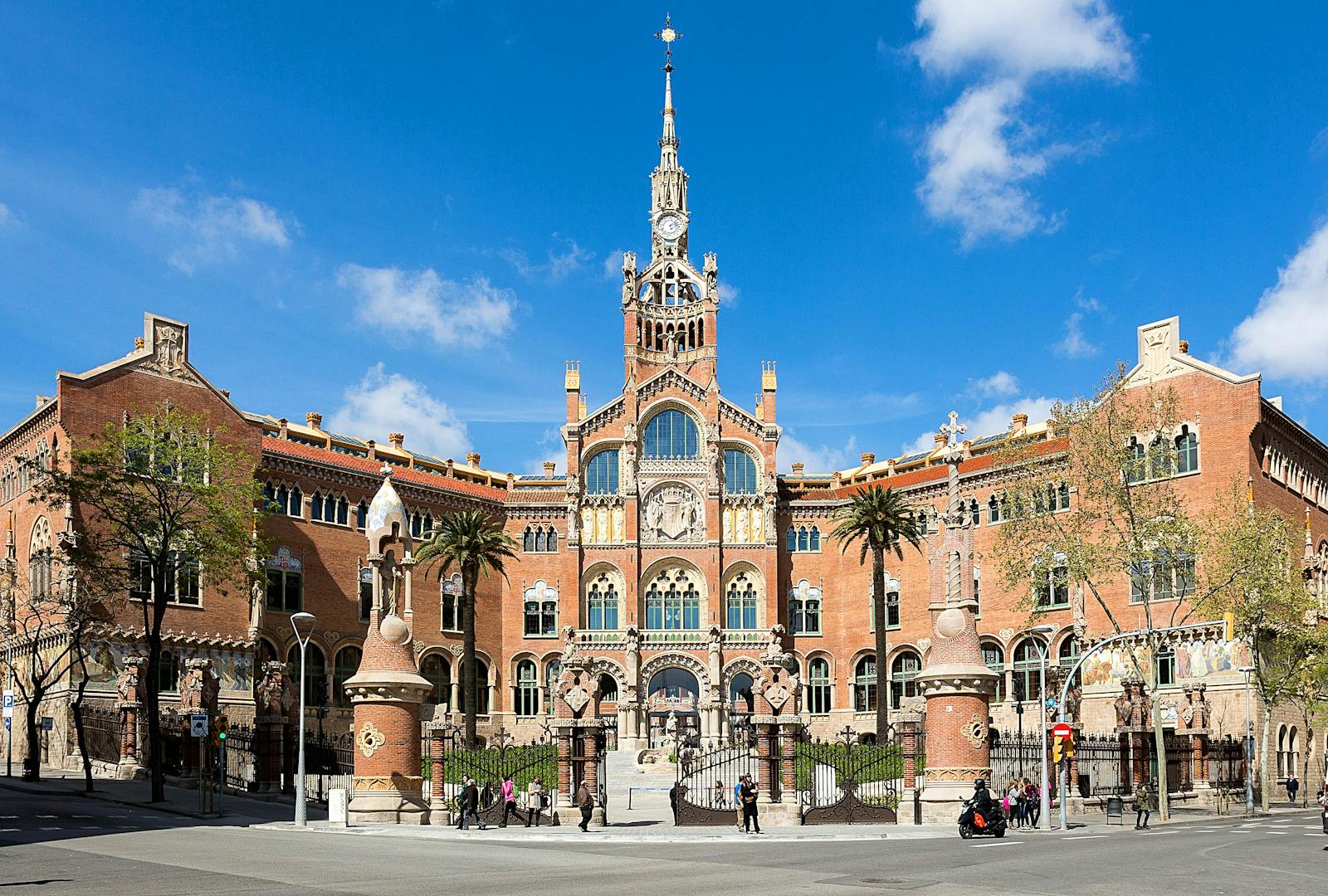
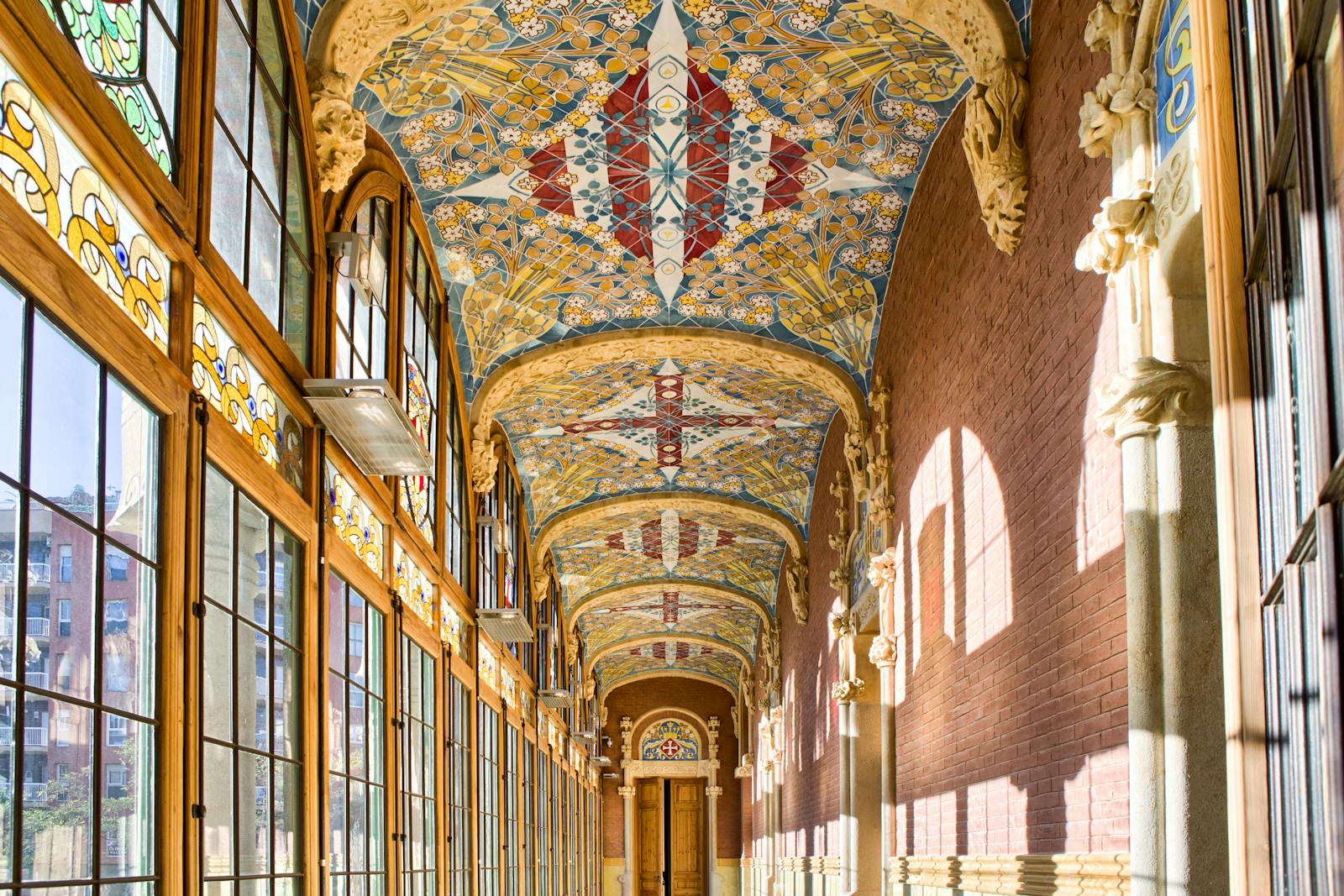
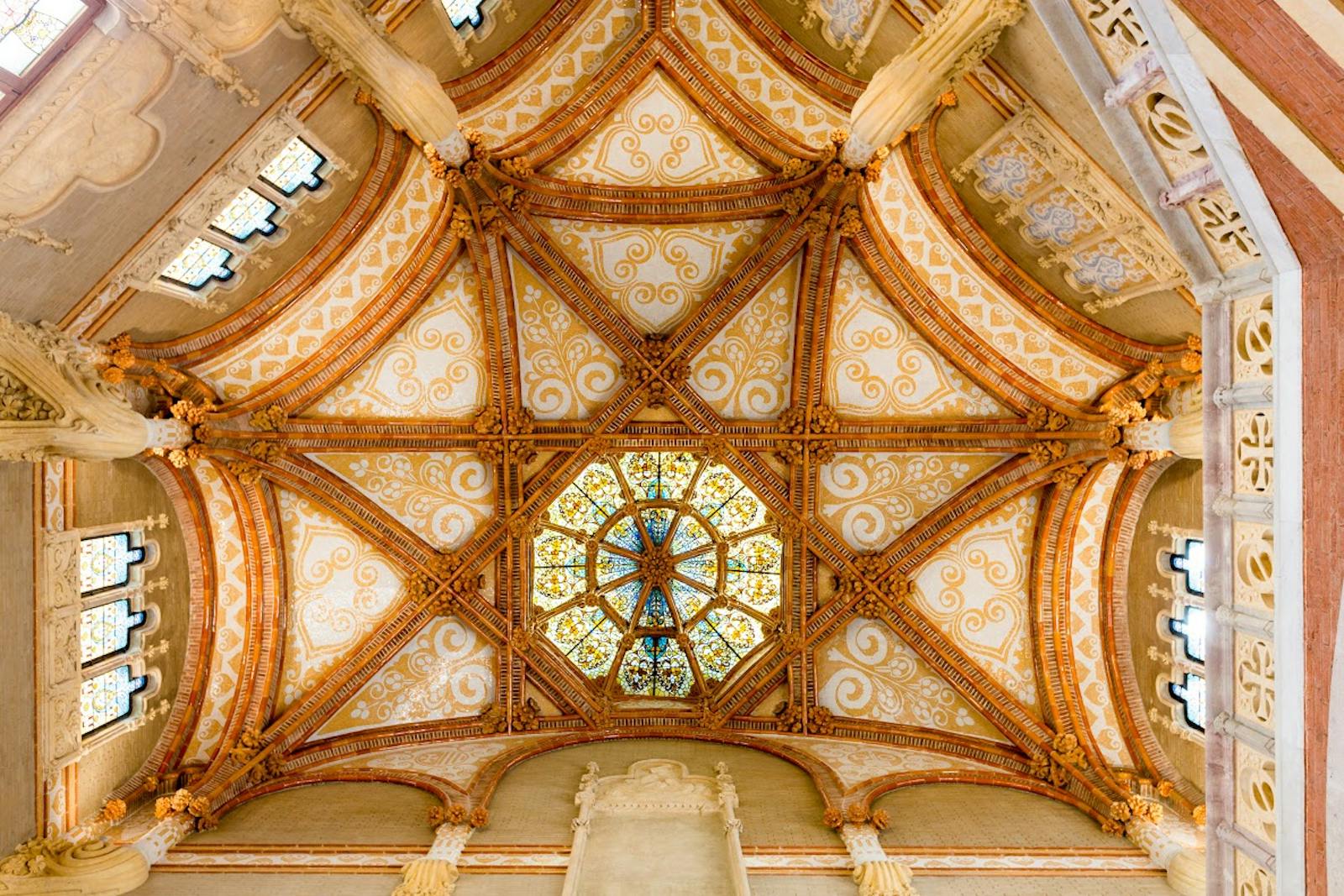
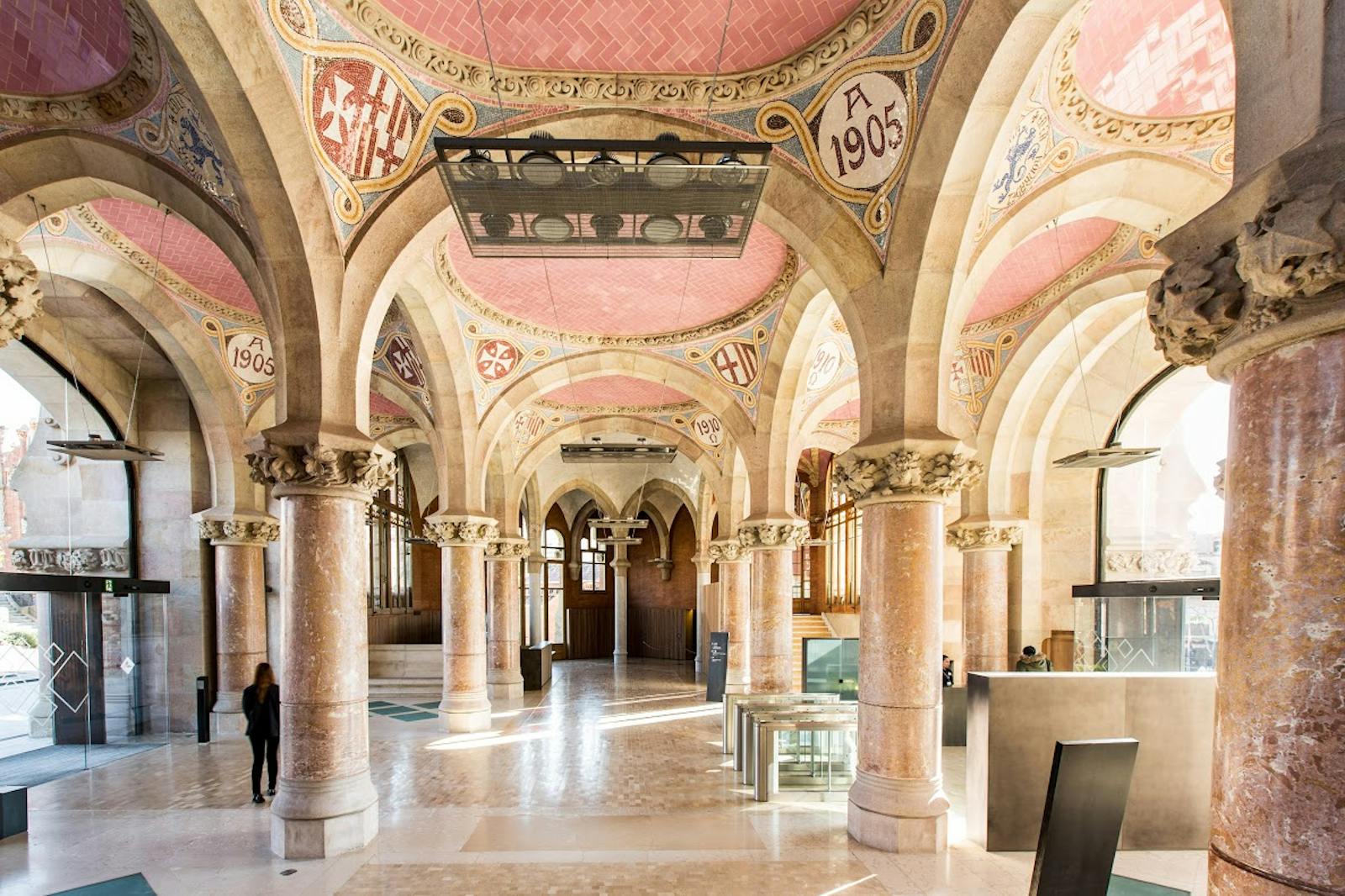
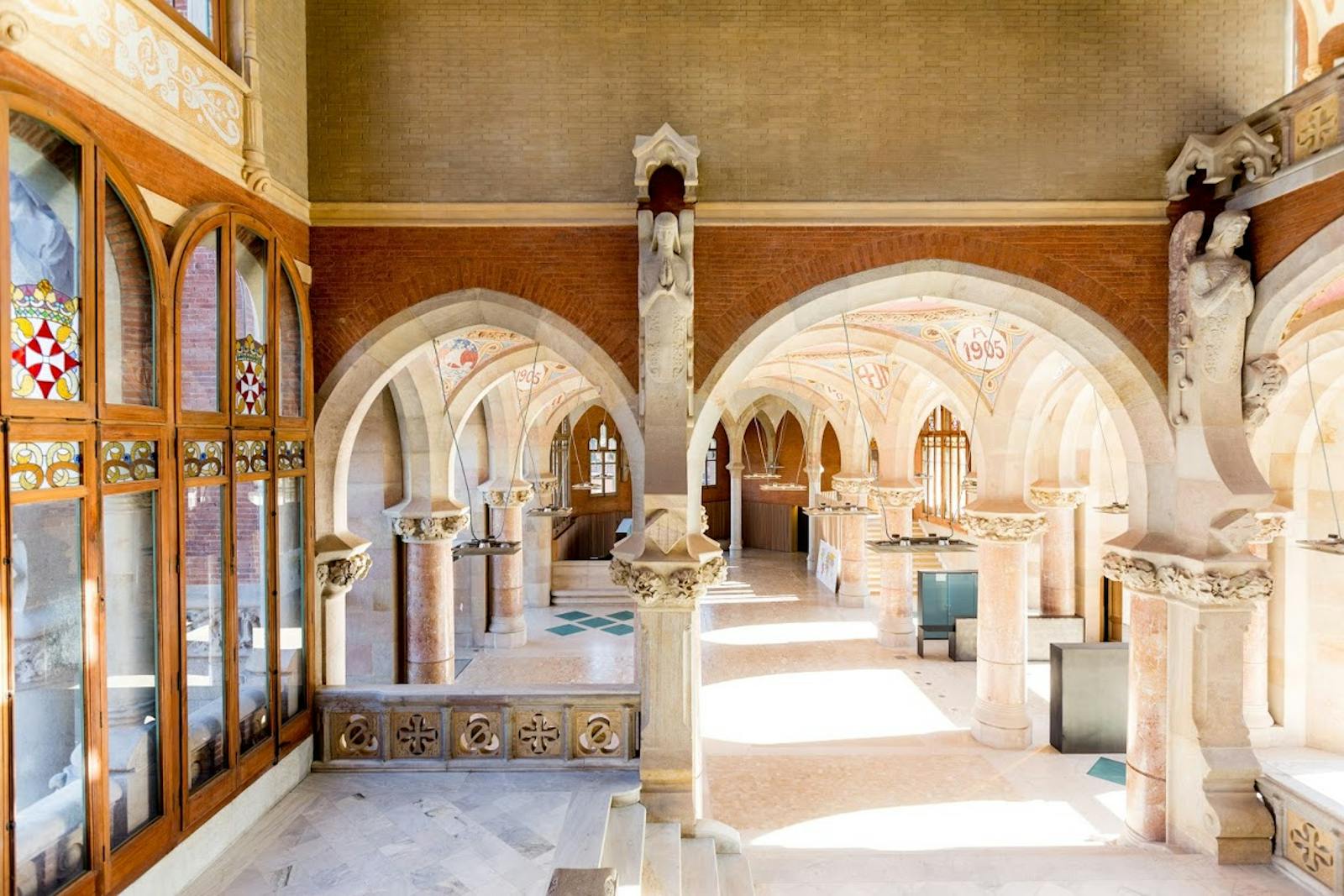
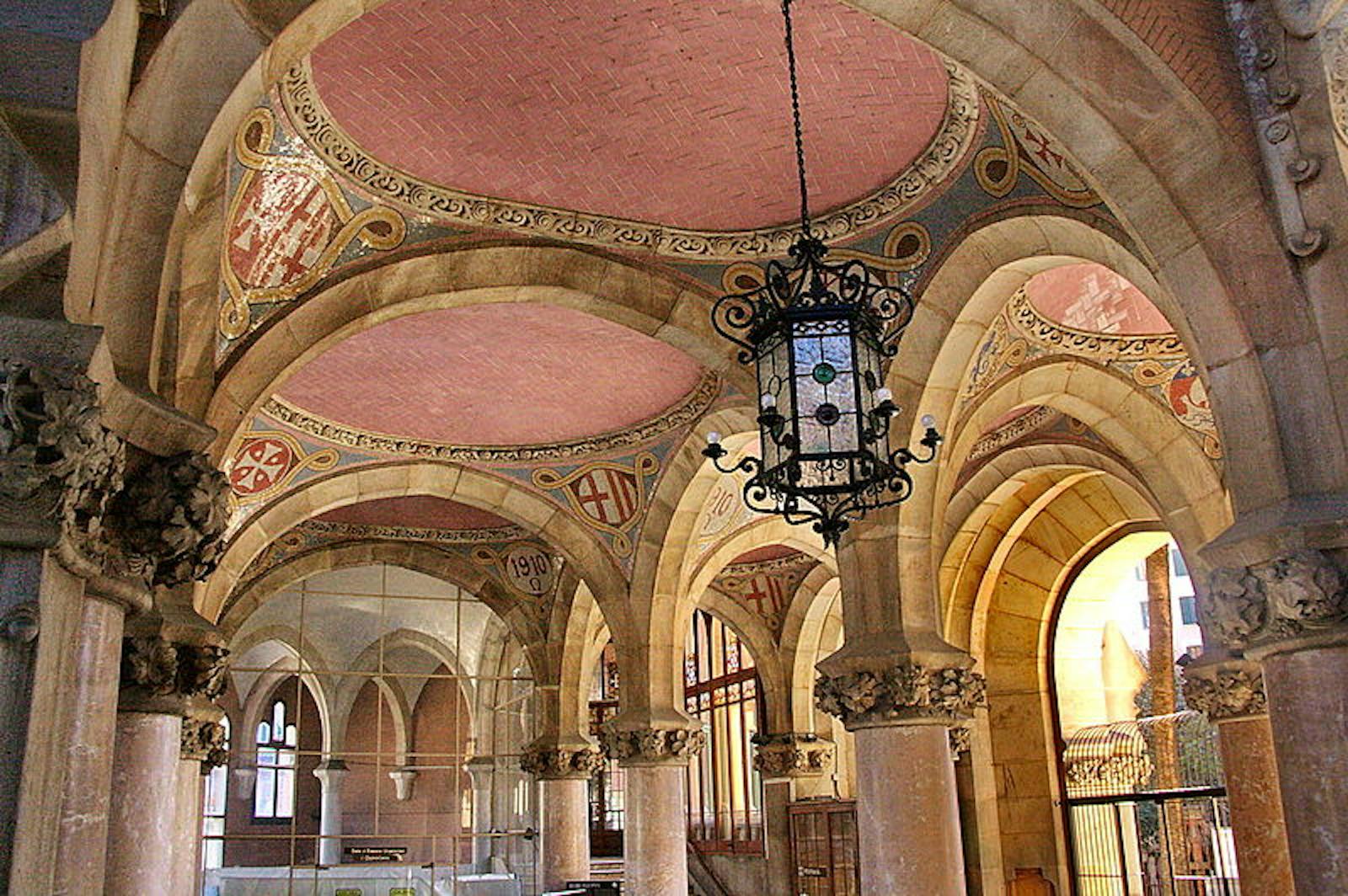
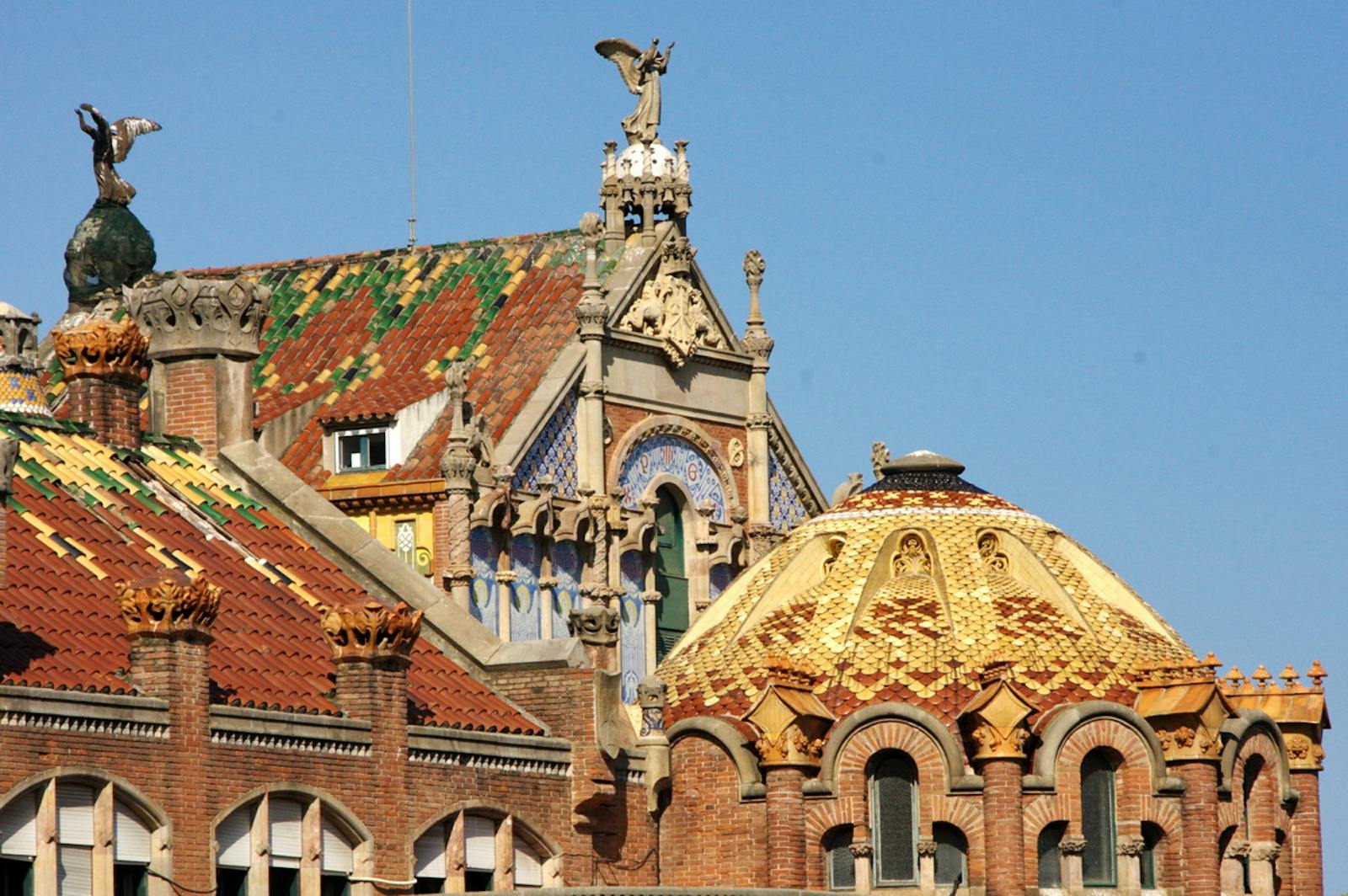
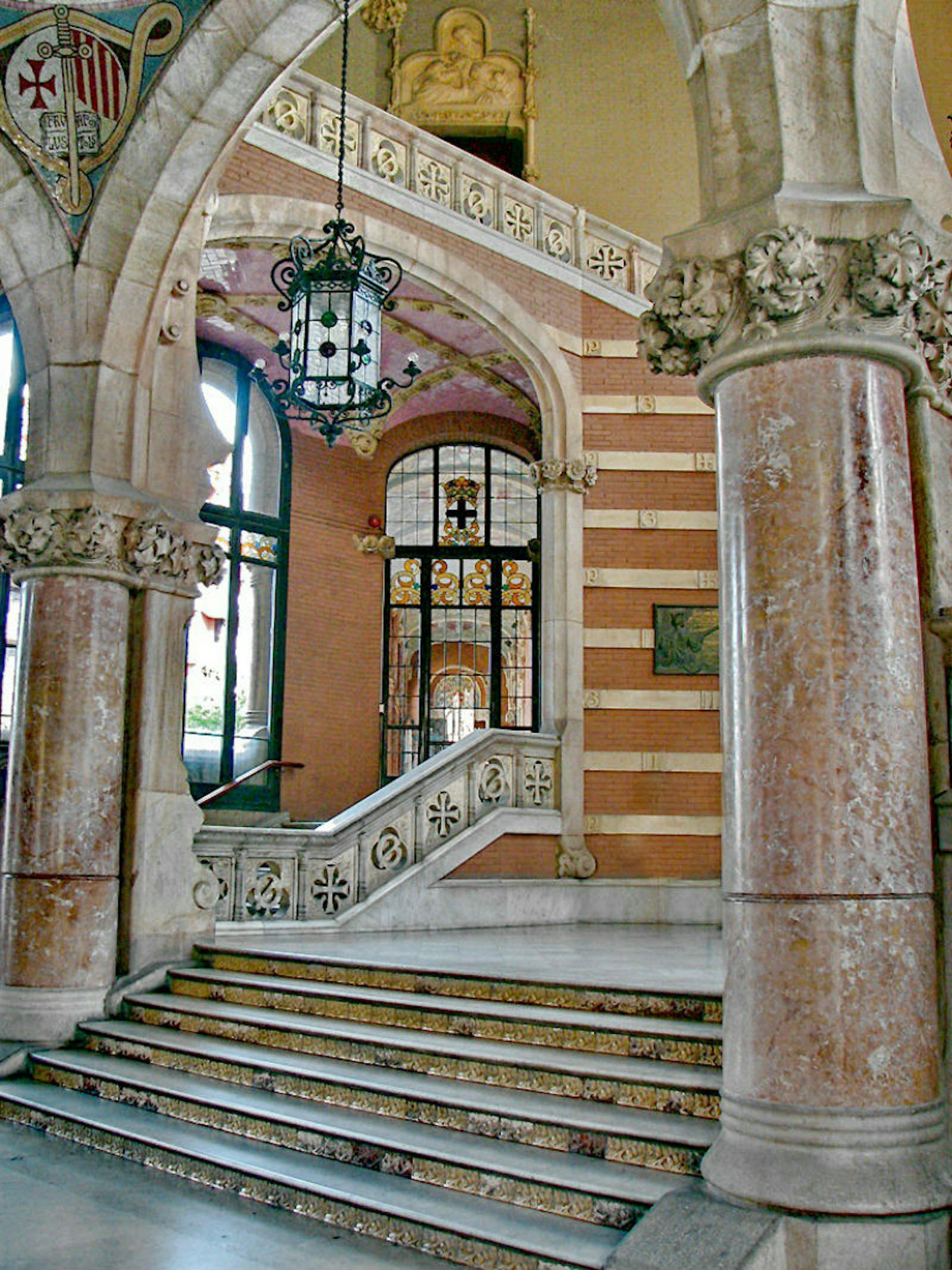
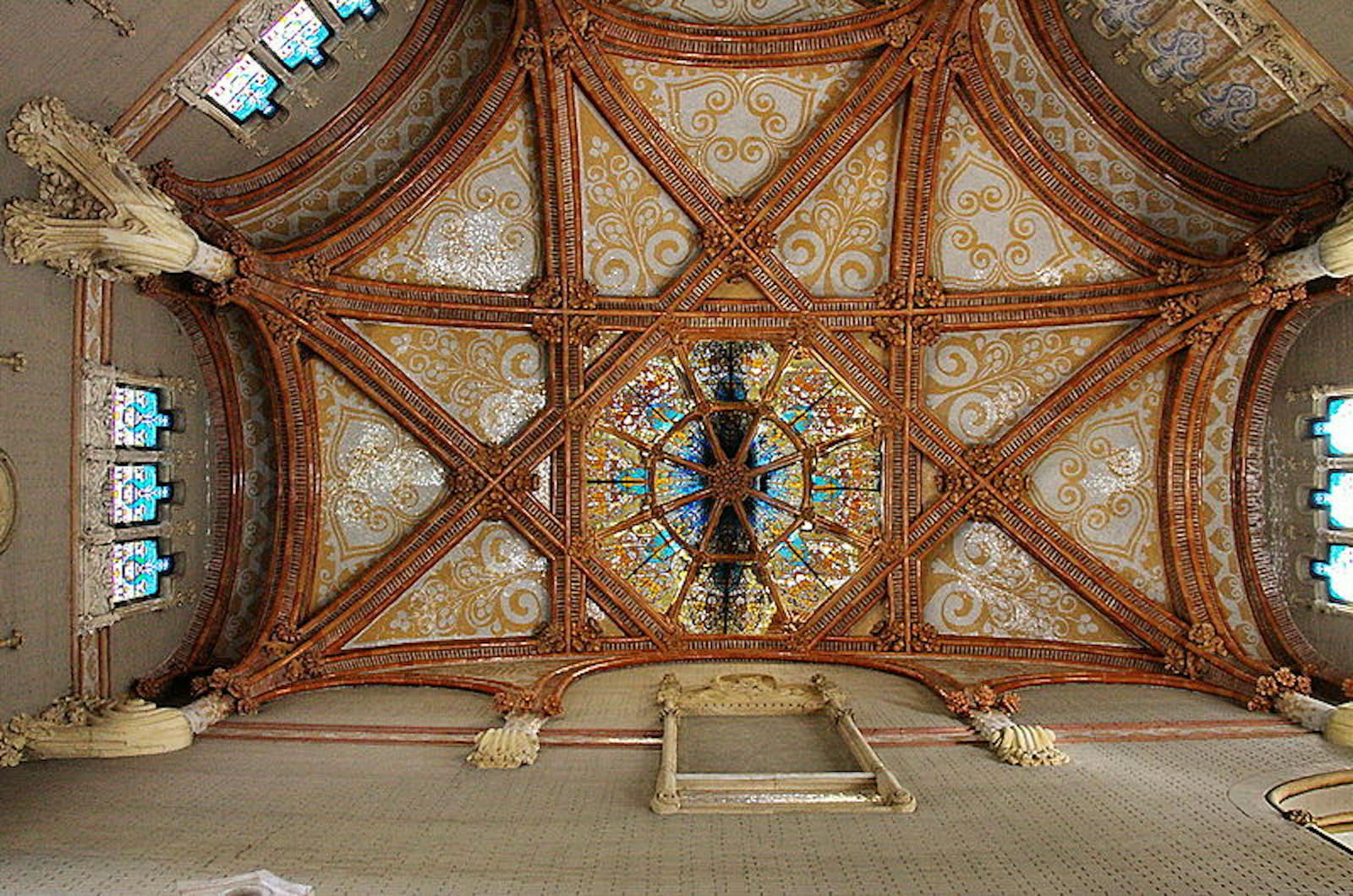
The Administration Pavilion is the beating heart of the complex, housing the majestic Reception Hall. Its exposed brick vaults and colorful mosaics perfectly illustrate Domènech i Montaner's vision. The sculptures by Eusebi Arnau cover the facades with complex religious and historicist iconography, blending sacred art and hospital functionality in a visual harmony rarely matched in civil architecture.
The gardens of the Modernist Enclosure constitute a true secret garden in the middle of Barcelona. These shaded green spaces connect the various pavilions and offer a soothing stroll away from urban bustle. Nature is integrated into the architecture, with medicinal plants and local species chosen for their therapeutic benefits, reminding visitors of the site's original vocation as a holistic healing center.
Do not miss the underground tunnels connecting the pavilions, a technical element often overlooked but fascinating. These passages offer a unique perspective on the hospital's original structure and its past logistical operations. They help you understand how patients and staff circulated discreetly, preserving the serenity of the gardens while ensuring care efficiency in this innovative architectural complex.
Practical Tips for Your Visit
It is crucial to note that the visitable modernist site is distinct from the neighboring current medical hospital. Always check which areas are open depending on your chosen formula, whether it's an audioguide or a guided tour. Emphasize the need to plan a realistic visit duration, ideally a minimum of two hours, to fully explore the pavilions and gardens without rushing or excessive fatigue.
For pure architecture enthusiasts, Sant Pau represents a calm alternative to the Sagrada Familia and is less crowded. The site offers a more intimate and contemplative experience, ideal for photographing ceramic details without dense crowds. Combine this visit with the Palau de la Música Catalana, another major work by Domènech i Montaner, for a complete thematic day dedicated to Catalan modernism.
Site accessibility is an important point to check before your arrival. Although facilities exist for people with reduced mobility, the ancient nature of the building imposes certain limitations. Consult specific information on accessible areas and plan for comfortable shoes, as the site is spread over several hectares. Children must be accompanied, thus benefiting from a living history lesson that is educational.
What to expect
Jewels of Modernism & Healing Gardens
Tips for visiting the Art Nouveau Site of Sant Pau
Insider tips
Arrive early for the gardens
The gardens are vast and shaded; visiting in the morning allows you to photograph the pavilions without backlighting or crowds. The soft light highlights the ceramic details and sculptures by Eusebi Arnau. Allow at least 1h30 to explore the entire site.
Photograph the ceramic details
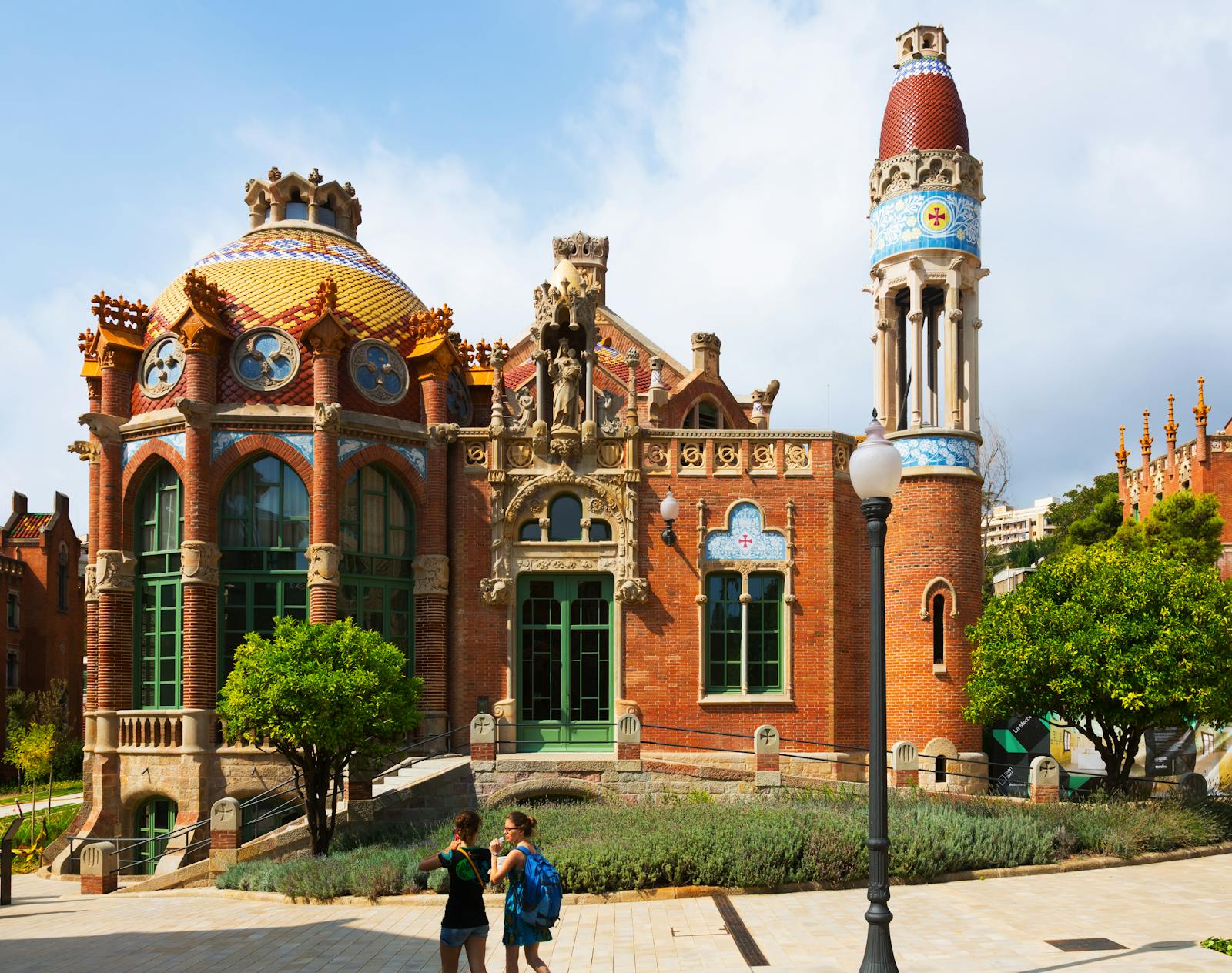
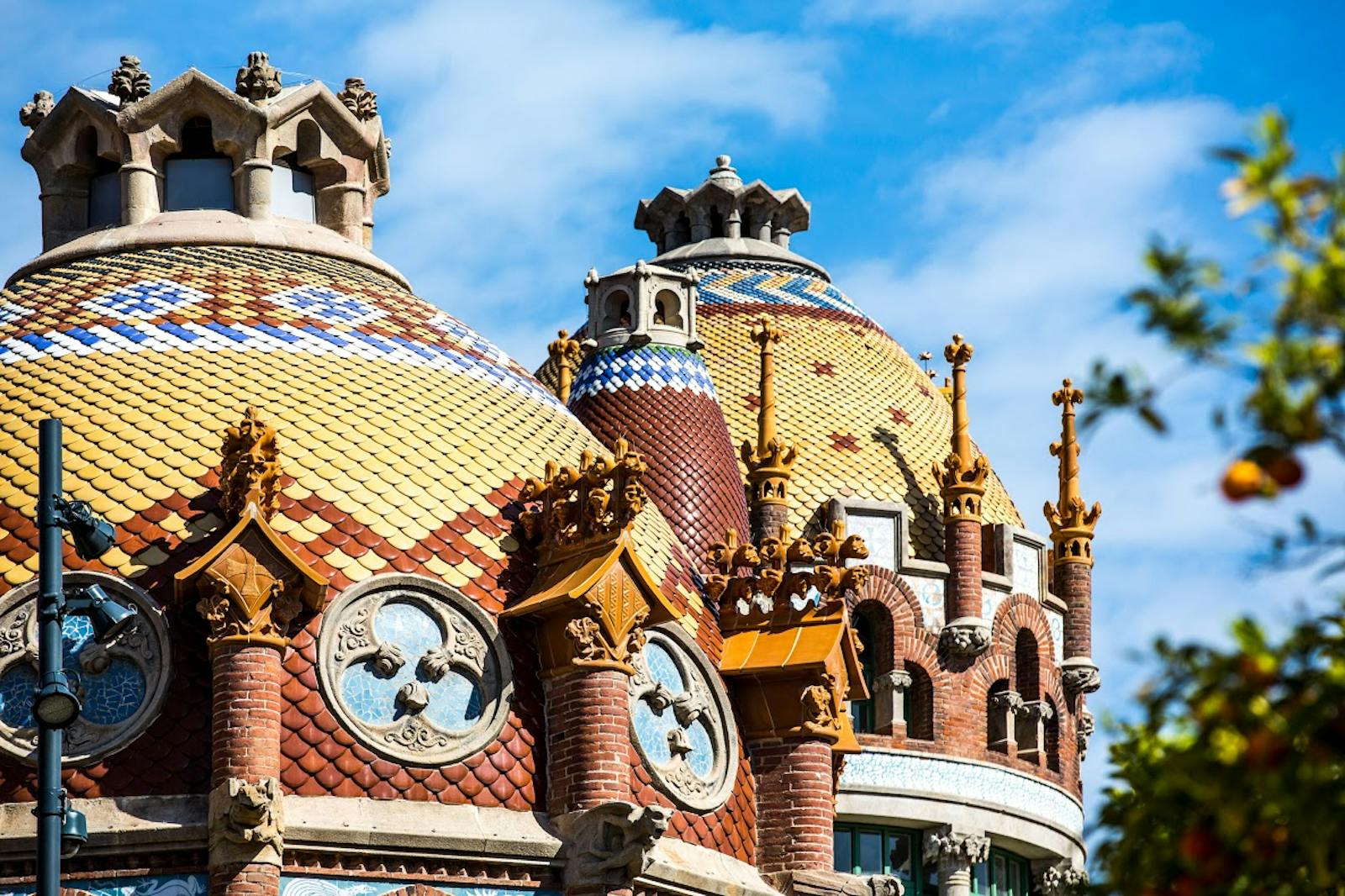
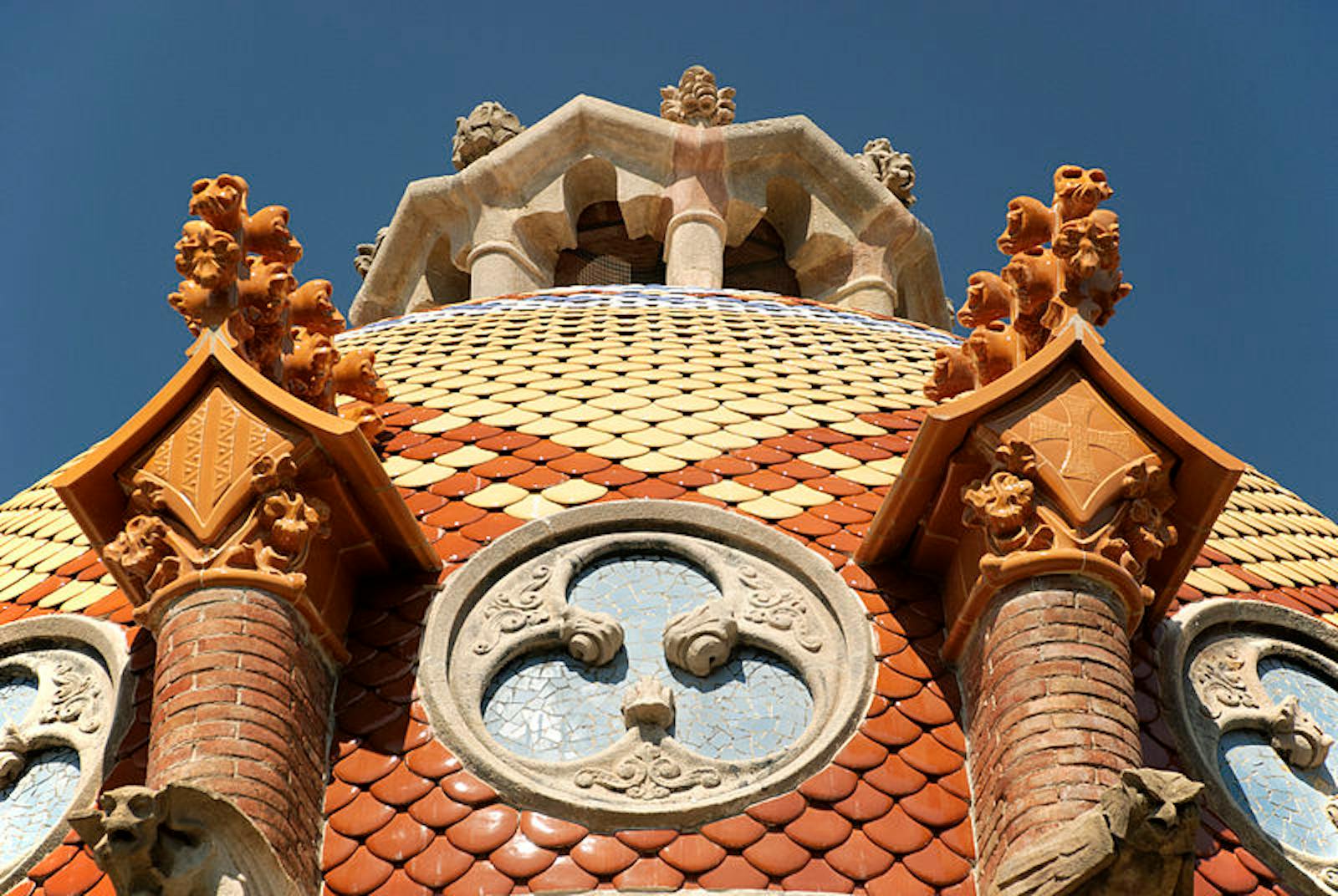
Don't just look at the facades; zooming in on the mosaics reveals unique vegetal and symbolic motifs. These decorative elements often hide local stories and references to Catalan nature.
Explore the underground tunnels
These passages connect the pavilions and offer a unique perspective on the hospital's original structure. They bear witness to the logistical ingenuity required to ensure patient and staff circulation without exposure to the elements.
Choose the interactive audio guide
It allows you to visualize historical photos superimposed on current locations, significantly enriching the self-guided tour. This multimedia tool makes the site's complex history accessible even without a dedicated human guide.
Combine with Sagrada Família
Located in the same city, these two masterpieces by Domènech i Montaner and Gaudí make for a perfect thematic day trip. You can compare the architectural approaches of Catalan modernism from two different angles.
Wear comfortable shoes
The site is spread over several hectares with distant pavilions; walking is inevitable. Plan appropriate attire to fully enjoy the gardens and outdoor spaces without excessive fatigue.
Check open areas
Some parts may be closed for construction work or private events; confirm your itinerary before arriving. The modernist site is distinct from the current hospital, so check the specific hours for heritage visits.
Avoid local holidays
Although less crowded than Güell, the site can be swamped during major Catalan festivals. Prefer regular weekdays for a calmer, more immersive experience in modernist architecture.
Ready to book?
Choose your tickets online and check their conditions before booking.
Book my ticketsDid you know?
Little-known anecdotes
A Parisian philanthropic legacy
The origin of this monumental hospital comes from the will of Pau Gil i Serra, a Barcelona banker who died in Paris in 1896. He bequeathed half his fortune to the construction of a new hospital dedicated to assisting the poor, thus transforming a private wish into a major public good.
The largest modernist complex
Listed as UNESCO World Heritage in 1997, this site is recognized as the largest preserved Catalan modernist architectural complex. This distinction underscores the historical and artistic importance of Lluís Domènech i Montaner's work in the European cultural landscape.
Two generations of architects
Construction took place in two phases: the first by Lluís Domènech i Montaner between 1902 and 1913 (13 buildings), then by his son Pere Domènech i Roura from 1920 onwards (6 buildings). This succession allowed the completion of the modernist architectural ensemble.
Prophylactic ceramics
The colorful mosaics are not merely decorative; they had a crucial hygienic function. In a hospital context, these smooth and impermeable surfaces facilitated cleaning and prevented the spread of infections, thus combining modernist aesthetics with sanitary rigor.
Moving towards the future
The hospital left this historic site between 2003 and 2009 to make way for exclusive cultural visits. This transfer allowed for the full restoration of the Recinte Modernista, preserving its architectural integrity while offering a secure space for visitors and researchers.
Religious and historicist iconography
The sculptures by Eusebi Arnau cover the buildings with a complex religious vision. They blend art and faith, integrating Christian and historical symbols into the decoration, reflecting the ambition to create a place of spiritual as well as physical healing for patients.
Include the Sant Pau Art Nouveau Site in your trip to Barcelona
Three itineraries depending on time available
The Essence of Modernism
- 9:30 AM: Arrival and discovery of the Administration Pavilion and Reception Hall.
- 10:30 AM-12:00 PM: Guided tour or audioguide of the main pavilions and inner gardens.
- 12:30 PM: Quiet lunch in the El Guinardó neighborhood, away from central tourist crowds.
- 2:00 PM: Final stroll through the gardens to capture the light before returning to the center.
Architecture and Serenity
- 9:00 AM: Complete tour of the Sant Pau Art Nouveau Site with interactive audioguide for total immersion.
- 12:30 PM: Lunch break near Ciutadella Park, ideally located for a green pause.
- 2:30 PM: Visit to Sagrada Família to directly compare Gaudí and Domènech i Montaner styles.
- 5:00 PM: Walk through the Eixample district to admire other works of Catalan modernism.
Barcelona Cultural Immersion
- Day 1 Morning: In-depth exploration of Sant Pau, including underground tunnels and secret gardens.
- Day 1 Afternoon: Discovery of the Gràcia neighborhood, authentic and lively, to feel local Barcelona life.
- Day 2 Morning: Visit to Sagrada Família and Parc Güell, two other UNESCO-listed gems.
- Day 2 Afternoon: Relaxation on Barceloneta beaches or visit to Palau de la Música Catalana.
- Day 3: Stroll along the Vell port and visit La Boqueria market to conclude the stay.
Sant Pau Art Nouveau Site + Palau de la Música Catalana + Casa Fuster

One City Pass Barcelona: admire Casa Batlló, Casa Milà and much more.
From 45 €
See also
More must-see experiences in Barcelona
Interactive map
Find the attraction and nearby places to visit
Near Sant Pau Art Nouveau Site
Make time to explore the surrounding area
Palau de la Música Catalana
20 min by bus
Another UNESCO gem by Domènech i Montaner, famous for its light and spectacular stained-glass mosaics. Discover the Palau de la Música Catalana.
Parc de la Ciutadella
25 min walk
Historic green lung ideal for recharging after the architectural tour, near the Arc de Triomf. Stroll through the Parc de la Ciutadella.
El Guinardó District
5 min walk
Authentic local atmosphere with quiet terraces for lunch away from the tourist crowds in the center. Explore the El Guinardó district.
National Art Museum of Catalonia
10 min by bus
Located in Parc de Montjuïc, it complements artistic culture with major Romanesque and Gothic collections. Visit the National Art Museum of Catalonia.
How to get to the Sant Pau Art Nouveau Site
Estimated travel times from the main points in the city
Metro : Dos de Maig (2 min walk) Bus : Sant Pau | Dos de Maig (2 min walk)
- From Barcelona North Station 2,0 km → 11 min
- From Barcelona Train Station 2,3 km → 11 min
- From Sant Pau | Dos de Maig 0,2 km → 6 min
- From Barcelona-El Clot 1,2 km → 9 min
- From La Sagrera 1,4 km → 9 min
- From Barcelona North Station 2,0 km → 16 min
- From Barcelona Train Station 2,3 km → 17 min
- From Sant Pau | Dos de Maig 0,2 km → 9 min
- From Barcelona-El Clot 1,2 km → 13 min
- From La Sagrera 1,4 km → 14 min
- From Barcelona North Station 2,0 km → 10 min
- From Barcelona Train Station 2,3 km → 11 min
- From Sant Pau | Dos de Maig 0,2 km → 4 min
- From Barcelona-El Clot 1,2 km → 7 min
- From La Sagrera 1,4 km → 8 min
- From Barcelona North Station 2,0 km → 11 min
- From Barcelona Train Station 2,3 km → 13 min
- From Sant Pau | Dos de Maig 0,2 km → 3 min
- From Barcelona-El Clot 1,2 km → 7 min
- From La Sagrera 1,4 km → 9 min
- From Barcelona North Station 2,0 km → 25 min
- From Barcelona Sants Station 2,3 km → 28 min
- From Sant Pau | Dos de Maig 0,2 km → 2 min
- From Barcelona-El Clot 1,2 km → 14 min
- From La Sagrera 1,4 km → 18 min
Accommodation
Find a hotel near Sant Pau Art Nouveau Site
Frequently asked questions
Everything you need to know before your visit
Booking
Visit
Practical Info
Accessibility
Sant Pau Art Nouveau Site on video
A preview of this exceptional place before your visit
Sant Pau Art Nouveau Site in pictures
See what to expect during your visit

Sant Pau Art Nouveau Site vs. other Modernist sites
Quick comparison with other major sites
| Sant Pau Art Nouveau Site | Palau de la Música Catalana | Casa Batlló | |
|---|---|---|---|
| Year of creation | 1902-1930 | 1905-1908 | 1904-1906 |
| Main architect | Lluís Domènech i Montaner | Lluís Domènech i Montaner | Antoni Gaudí |
| Adult rate | 17€ | 15€ | 35€ |
| Visit duration | 2-3 hours | 1 hour | 1-2 hours |
| Feature | Largest Modernist complex | Interior lyric theater | Iconic organic façade |
Ready to book?
Choose your tickets online and check their conditions before booking.
Book my tickets